
Understanding nicotine in a cigarette vs vape has become increasingly important for adult smokers in Australia. As regulations continue to evolve under the Therapeutic Goods Administration (TGA), many people want clear information about how nicotine is delivered and why choosing a regulated nicotine vape is considered a lower-risk harm-reduction alternative to combustible tobacco for adults who smoke.
Although nicotine is addictive, health experts widely agree that the primary danger from smoking comes from inhaling the toxic chemicals produced when tobacco burns—not from nicotine itself. When comparing nicotine in a cigarette vs vape, this fundamental delivery difference explains why therapeutic options are recommended over smoking.
Table of Contents
At a Glance: Cigarettes vs. Regulated Therapeutic Vape
| Feature | Cigarettes | Regulated Therapeutic Vape |
| Nicotine delivery | Combusted tobacco smoke | Heated aerosol |
| Combustion | Yes | No |
| Tar production | Yes | No tobacco tar |
| Carbon monoxide | Produced | Not produced by tobacco combustion |
| Nicotine strength | Fixed per cigarette | Can vary by formulation |
| Professional guidance | Rare | Available through Australia’s therapeutic pathway |
1. Aerosolization Eliminates Toxic Tobacco Combustion
The biggest distinction between traditional cigarettes and a regulated nicotine vape is how the active compound is delivered.
When a traditional cigarette burns at temperatures up to 900°C, it creates smoke containing thousands of chemical compounds, including tar, carbon monoxide, and dozens of known carcinogens.
In contrast, non-combustible devices heat a liquid formulation to produce an aerosol without burning leaf tobacco. According to public health data published by the Australian Department of Health and Aged Care, eliminating combustion significantly reduces exposure to harmful toxicants found in cigarette smoke. Comparing nicotine in a cigarette vs vape highlights how aerosolization supports adult smokers who wish to move away from combustible smoke.

2. Quantifiable Quality and Controlled Delivery
Understanding how nicotine behaves in different formats involves looking at absorption and delivery mechanics. In traditional cigarettes, chemical additives accelerate absorption into the bloodstream, creating rapid spike dynamics alongside toxic smoke condensate.
Therapeutic products supplied through Australia’s regulated framework are subject to strict controls on formulation, labeling, and quality. Choosing a prescribed nicotine vape allows adult users and healthcare professionals to select an appropriate nicotine strength based on individual needs. Working with a doctor or pharmacist ensures adults using a nicotine vape can manage cravings in a controlled, predictable manner.
3. Regulatory Quality Standards Protect Consumers
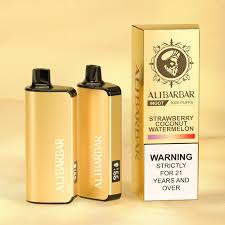
A cornerstone of national therapeutic regulations is ensuring product standards and consumer protection across legal supply chains. Some high-capacity disposable products available through unregulated channels—such as the alibarbar ingot 9000—may not undergo independent testing for ingredient quality, heavy metals, or electrical safety.
When researching products like the alibarbar ingot 9000, adult consumers should confirm whether the device complies with current Australian regulations and is obtained through lawful supply channels. Devices like the alibarbar ingot 9000 often lack verified therapeutic oversight, whereas TGA standards require rigorous manufacturing rules—including limits on permitted ingredients, packaging, and quality testing. Adult consumers can review updated regulatory standards directly through the Therapeutic Goods Administration (TGA) portal.
4. Pharmacy Pathways Provide Professional Healthcare Guidance
Australia’s therapeutic approach integrates smoking cessation with professional healthcare support. Adult smokers can access therapeutic options through healthcare practitioners and participating pharmacies, where qualified professionals provide tailored guidance on usage and tapering strategies.
While consumers often search for industry information or compare details from commercial platforms such as vapo aus, product compliance and lawfulness should always be confirmed before purchase. When evaluating products found through vapo aus or similar retail platforms, ensuring alignment with pharmacy access pathways guarantees that therapeutic goals take priority over commercial marketing. Utilizing regulated sources over unverified imports or general stock from vapo aus ensures health oversight.
Additionally, pairing clinical alternatives, like a therapeutic nicotine vape, with established behavioral support services—such as Quit Victoria—significantly improves overall success rates for those attempting to quit smoking.

5. Structured Frameworks Support Step-Down Nicotine Tapering
Unlike combustible cigarettes, which deliver a uniform, unalterable dose of smoke and nicotine per stick, therapeutic non-combustible systems allow for systematic tapering. Smokers can begin at a level that controls withdrawal symptoms and progressively step down to lower concentrations over time.
By gradually lowering strength, adult users can separate the physical behavioral habit from chemical dependency. Many healthcare professionals recommend reducing nicotine gradually instead of stopping abruptly, as a structured tapering plan may help improve long-term adherence for some adult smokers.
For adult smokers who are unable to quit immediately, switching completely from combustible cigarettes to a regulated non-combustible alternative is widely recognised by public health authorities as a harm-reduction approach. Choosing TGA-compliant products, consulting healthcare professionals, and avoiding unregulated products can help support a safer and more informed transition.
n