
Flavour names are often one of the first things consumers notice when researching vaping products. A name can suggest fruit, sweetness, cooling, or a combination of several familiar tastes. However, a flavour name alone does not provide complete information about a product, its ingredients, or whether it can legally be supplied in a particular market.
For adults researching alibarbar flavours 9000, understanding this distinction is especially important in Australia. The country’s vaping framework has changed significantly, and current rules regulate the supply, advertising, importation, and distribution of vaping products nationally.
Rather than treating a flavour name as a recommendation or a guarantee of product quality, consumers can use flavour descriptions as one small part of a broader information-checking process.
Table of Contents
1. Alibarbar Flavours 9000: A Flavour Name Is Not a Quality Guarantee
A product name can describe the intended flavour profile, but it does not automatically confirm the ingredients, nicotine concentration, manufacturing standards, or regulatory status of a product.
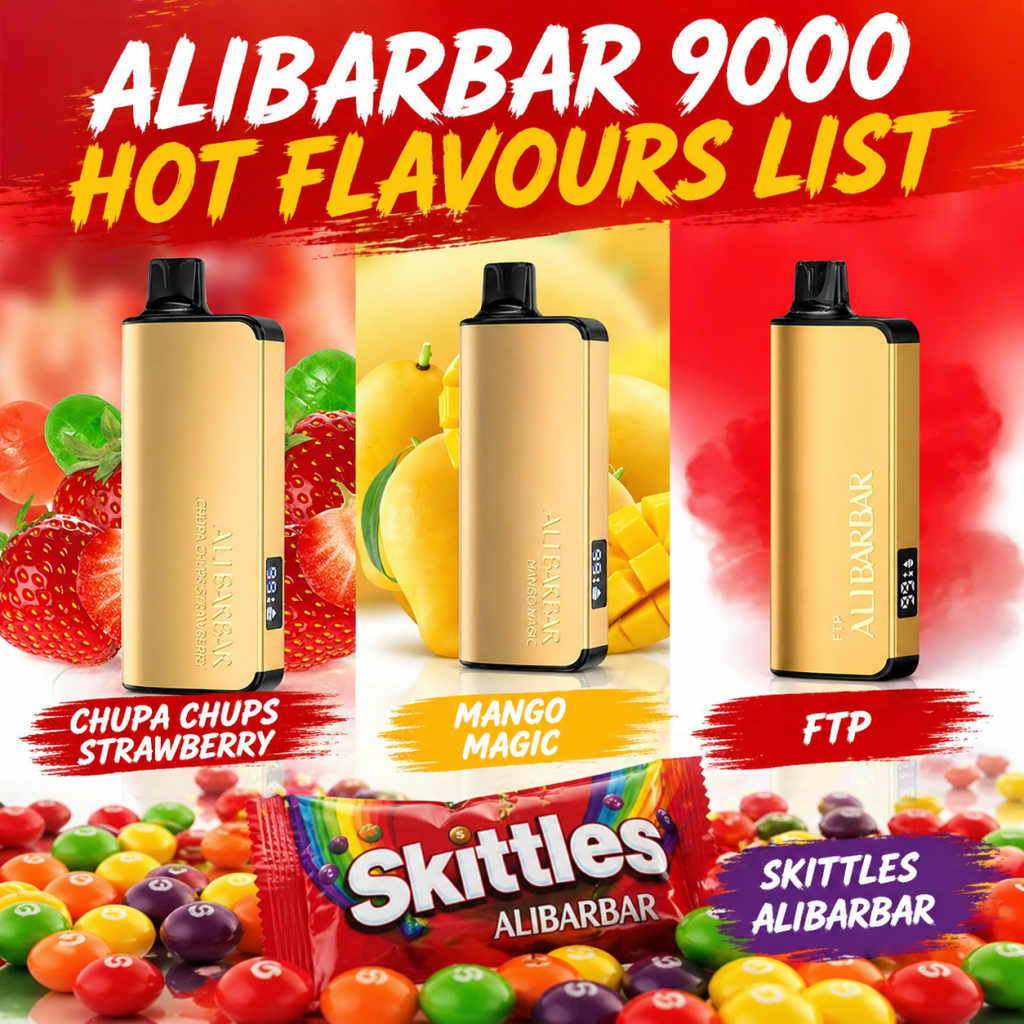
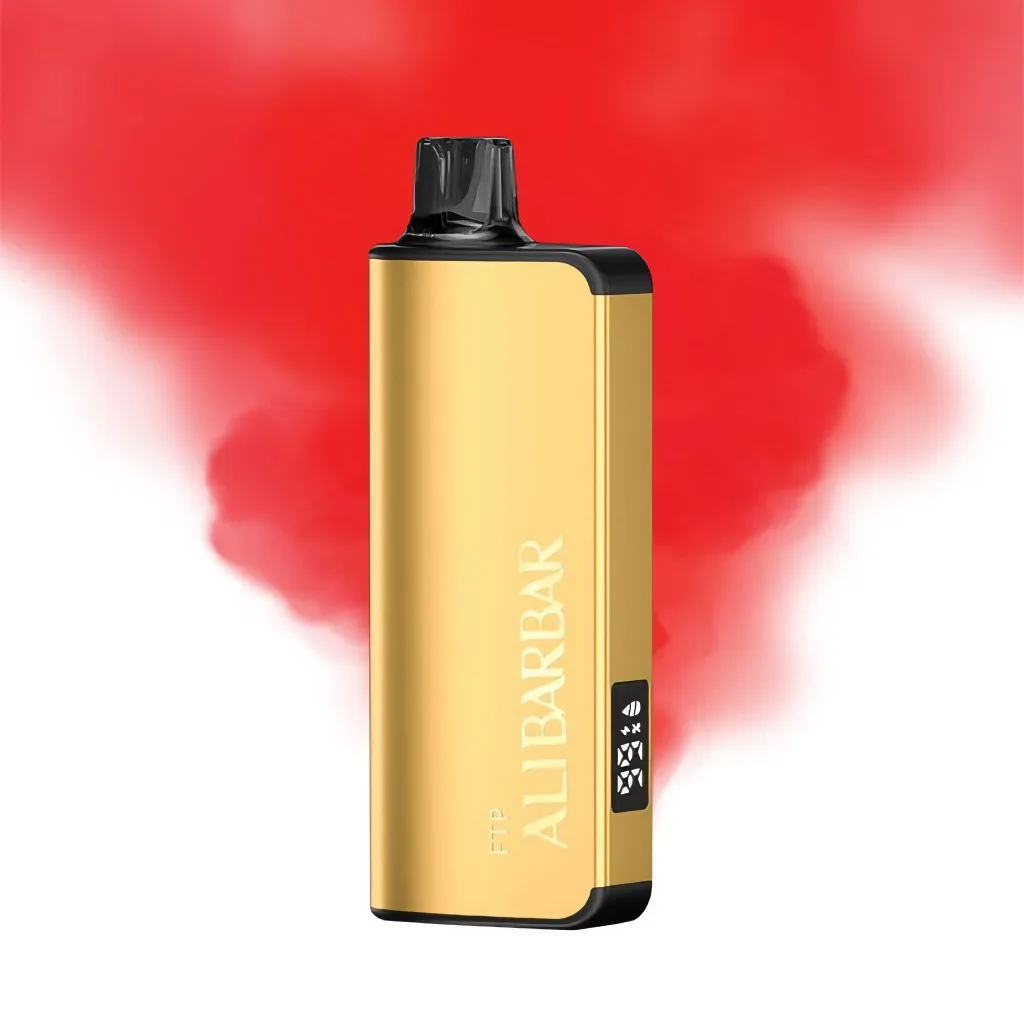
For example, ftp alibarbar flavour may appear in online searches as a specific flavour name. The important point is to distinguish between what a name communicates about taste and what official product information says about the product itself.
Consumers should avoid assuming that a familiar or attractive flavour name means a product has been assessed by Australia’s regulator.
2. Fruit Combinations Can Describe Several Taste Notes
Many flavour names combine two or more familiar ingredients to create an overall profile.
alibarbar strawberry chupa chups is an example of a name that combines a strawberry-style fruit description with a confectionery reference. Such naming can give consumers an idea of the intended taste direction, but it does not provide a complete ingredient list.
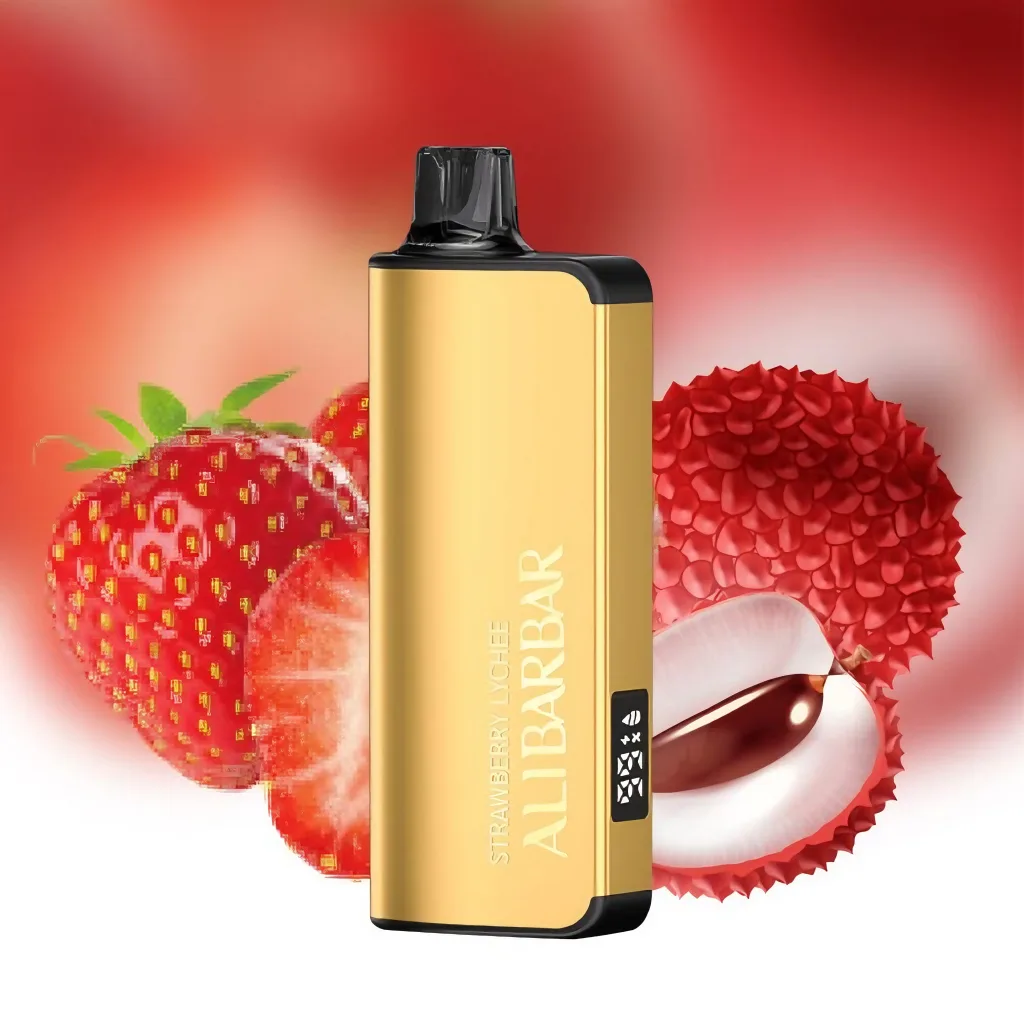
Similarly, alibarbar strawberry lychee communicates two fruit notes that may be expected to work together as a combination.
The useful approach is to treat these names as descriptive labels rather than relying on them as evidence of product characteristics.
3. Cooling, Sweetness and Fruit Notes Can Change the Overall Impression
Two products can both be described as fruit flavours while creating very different taste impressions.
One profile may emphasise sweetness, another may focus on tartness, while another may add a cooling sensation. Understanding these distinctions can make flavour research more straightforward.
However, consumers should remember that flavour descriptions are not substitutes for official product specifications. Ingredients, nicotine content, packaging and regulatory information should be checked separately where relevant.
4. Australian Rules Matter More Than an Online Flavour List
This is particularly important for anyone researching vaping products in Australia.
The Australian Government states that, under the current framework, vapes and vaping products can only be supplied through pharmacies for therapeutic purposes, subject to the applicable Commonwealth, state and territory requirements. Non-pharmacy retailers such as tobacconists and vape shops cannot legally sell vapes.
The TGA also maintains a notified vape list for therapeutic vaping goods that may be legally supplied through the relevant pathways. Inclusion on this list means sponsors have notified compliance with applicable standards; it does not mean the TGA has assessed the product for safety, quality, efficacy or performance as an ARTG-approved product.
This distinction is important when researching any flavour or product name online.
5. Flavour Availability May Differ From Online Search Results
An online search can show flavour names that are not necessarily available through Australia’s current lawful therapeutic supply system.
For this reason, seeing a flavour mentioned on a website does not establish that the product can legally be supplied in Australia.
The Australian Government’s current information also states that therapeutic vape flavours are restricted to mint, menthol and tobacco, alongside plain pharmaceutical packaging requirements.
This means consumers should be cautious about assuming that a broad online flavour catalogue represents the range of products that can legally be supplied through Australian pharmacy pathways.
6. Check Regulatory Information Before Product Claims
When reading an article, retailer listing, or social media post about vaping products, look for clear distinctions between product descriptions and regulatory claims.
Statements such as “approved,” “TGA tested,” or “safe” should not be accepted automatically. The TGA specifically notes that currently available therapeutic vapes for smoking cessation or nicotine dependence are unapproved therapeutic goods and are not included in the ARTG.
For reliable information, consumers can consult the official Therapeutic Goods Administration vaping hub and the Australian Government’s vaping laws information.
These sources are much more useful for understanding legal status than an individual product listing.
7. Separate Flavour Research From Health Decisions
Flavour preference and health decisions are two completely different questions when discussing alibarbar flavours 9000.
Flavour appeal in alibarbar flavours 9000 should not be interpreted as evidence that vaping is harmless or suitable for everyone.
The Australian Department of Health and Aged Care states that vaping is not risk-free and should only be considered for smoking cessation when other options have not worked, with appropriate professional guidance.
For adults trying to quit smoking, established support and nicotine replacement therapies are important options to discuss with a healthcare professional.
In discussions about alibarbar flavours 9000, repeated mentions in marketing or online content do not change the fact that alibarbar flavours 9000 remains a flavour-based identifier, not a health or regulatory classification.
A Simple Way to Evaluate Flavour Information
When you encounter a flavour name online, consider these questions:
- Is the flavour name clearly identified?
- Is the exact product model stated?
- Is nicotine information provided where relevant?
- Does the source distinguish flavour information from regulatory status?
- Is the product legally available through the applicable Australian pathway?
- Are health or safety claims supported by an authoritative source?
This simple process can help reduce confusion and prevent marketing language from being mistaken for verified regulatory information.
Final Thoughts
Exploring alibarbar flavours 9000 can begin with flavour descriptions, but it should not end there. Names such as ftp alibarbar flavour, alibarbar strawberry chupa chups, and alibarbar strawberry lychee may describe particular flavour concepts, but they do not by themselves establish a product’s ingredients, safety profile, or legal status in Australia.
For Australian readers, the most important step is to separate flavour information from regulatory information. Current TGA guidance explains the legal framework for therapeutic vaping goods, while the Australian Government provides broader information about vaping laws, health considerations, and quitting support.
In other words, a flavour name can help explain what a product is marketed to taste like, but official regulatory sources are the right place to determine how vaping products can legally be supplied and what requirements apply.
For anyone researching vaping in Australia, that distinction creates a more accurate, responsible, and useful way to evaluate information online.