
Every disposable vape box promises a puff count. 5,000. 9,000. 30,000. But what do those numbers actually mean in real-world use? How many days or weeks will a device last for your specific vaping habits? And most importantly, how can you tell when a vape is actually finished rather than guessing based on when the flavour starts to taste slightly off?
This guide covers the real-world lifespan of every device tier from IGET, Alibarbar, and KUZ in Australia. We explain how puff counts translate to actual days of use, what factors affect how long your vape lasts, how to recognise the signs that a disposable is dying, and whether rechargeable devices genuinely last longer.
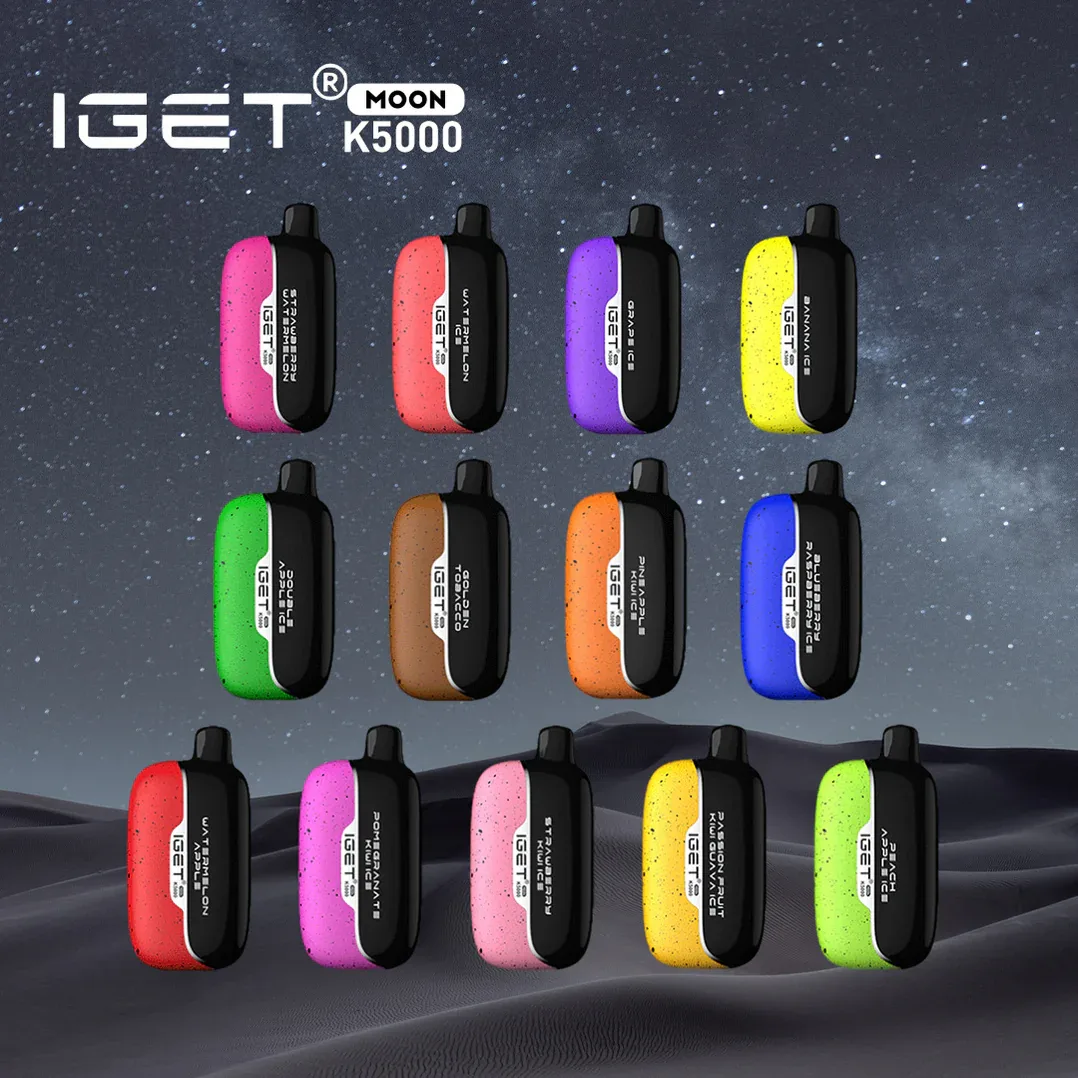
- Real-world lifespan: Divide the puff count by your daily usage. A 10,000-puff device at 300 puffs/day lasts ~33 days. Rechargeable devices (USB-C) deliver closer to their rated count.
- Signs your vape is dying: Declining flavour intensity (past 80-85% of rated puffs), weaker vapour production, burnt or dry taste, battery draining faster (on rechargeable devices).
- Rechargeable vapes last longer: USB-C devices from IGET, Alibarbar, and KUZ consistently outlast non-rechargeable devices because the battery never limits the e-liquid usage.
- Temperature matters: Storing vapes in hot cars during Australian summers degrades e-liquid and battery lifespan.
How Do You Convert Puff Counts to Real Days?
Manufacturers rate puff counts based on lab conditions: short, one-second draws at consistent intervals. Your actual draw is probably longer, and you probably vape at irregular intervals. That means the real-world puff count is typically 10 to 20 percent lower than the box number.
Here is the simple formula to estimate how long any vape Australia device will last for you:
Days = (Rated Puffs × 0.85) ÷ Your Daily Puffs
Not sure how many puffs you take per day? Most moderate vapers land between 200 and 400. Light vapers stay under 200. Heavy vapers exceed 500. If you do not know your number, track it for one day. Your phone screen time tracker works as a rough stand-in, as most vapers check their phone and vape similarly frequently.
For a deeper look at how puff counts are measured and what affects them, see our puff count guide.
How Long Does Each Device Actually Last?
Here is the real-world lifespan for every major device in Australia across three usage levels:
| Device | Rated Puffs | Light User (150/day) | Moderate (300/day) | Heavy (500/day) |
|---|---|---|---|---|
| IGET Moon K5000 | 5,000 | ~28 days | ~14 days | ~9 days |
| Alibarbar Ingot 9000 / KUZ Ultra 9000 | 9,000 | ~51 days | ~26 days | ~15 days |
| IGET Bar Pro / Alibarbar Pro 10k | 10,000 | ~57 days | ~28 days | ~17 days |
| Alibarbar Pro 12000 / IGET One 12000 | 12,000 | ~68 days | ~34 days | ~20 days |
| KUZ Nova 16000 | 16,000 | ~91 days | ~45 days | ~27 days |
| KUZ Pearl 30000 | 30,000 | ~170 days | ~85 days | ~51 days |
The pattern is clear: at 10,000 puffs and above, you are getting a month or more of daily use from a single device. At the Pearl 30000 tier, you are buying a vape once every three months or more.
For help choosing the right puff count for your habits, see our puff count decision guide.
Do Rechargeable Vapes Really Last Longer Than Non-Rechargeable Ones?
Yes, and the reason is simple: rechargeable vapes hit closer to their rated puff count because the battery never permanently dies before the e-liquid runs out.
A non-rechargeable 5,000-puff device might deliver 4,000 to 4,500 usable puffs before the battery gets too weak to produce satisfactory vapour. That is roughly 10 to 20 percent of potential puffs lost to battery decline. With a rechargeable USB-C device like the Alibarbar Ingot 9000 or IGET Bar Pro 10000, you top up the battery whenever it gets low, and you keep vaping until the e-liquid is genuinely empty.
This is why every device above 5,000 puffs from the major vape Australia brands now includes USB-C charging. The higher the puff count, the more important rechargeability becomes. At 30,000 puffs, a non-rechargeable battery would need to be impossibly large. USB-C solves that elegantly.
The only major non-rechargeable device still widely available is the IGET Moon K5000. IGET kept it as a sealed unit because 5,000 puffs is low enough that a single-charge battery can handle the job without being oversized. For all its other devices, IGET uses USB-C.
For everything you need to know about charging, see our USB-C charging guide. For rechargeable device recommendations, see our rechargeable vapes guide.
How Can You Tell When Your Disposable Vape Is Actually Dying?
Knowing when a vape is finished versus when it just needs a charge (on rechargeable models) saves you from throwing out devices prematurely or continuing to vape burnt coils. Here are the signs in the order they typically appear:
1. Flavour intensity drops (80-85% point). This is the earliest reliable sign. The e-liquid is running low, and the coil is starting to accumulate residue. The flavour becomes muted and less vibrant. On dual-coil devices like the KUZ Pearl 30000, this drop-off happens later and is more gradual. On single-coil devices, it is more sudden.
2. Vapour production decreases. You notice thinner clouds and a less satisfying draw. The device still works but does not feel as impactful. On rechargeable devices, check the battery first. A dying battery can cause reduced vapour just like low e-liquid. Charge it and try again before concluding the device is finished.
3. Burnt or dry taste. This is the definitive end point. The coil is burning residue instead of vaporising e-liquid. Discontinue use immediately. Continuing to puff on a burnt coil does not produce any nicotine or flavour — it just creates acrid vapour that is unpleasant and potentially harmful.
4. Battery drains significantly faster (rechargeable only). As e-liquid runs low, the coil resistance changes, which can draw more power. If your USB-C device suddenly needs charging twice as often as it did when new, the e-liquid supply is likely near its end.
5. Device gets unusually warm. When e-liquid is low, the coil runs hotter because there is less liquid to cool it. If your device feels warmer than normal during a draw, it is probably near the end of its life.
For troubleshooting device issues that are not end-of-life related, see our troubleshooting guide.
What Affects How Long Your Vape Actually Lasts?
Beyond puff count, several factors influence real-world device lifespan:
Draw length. A long, slow draw uses more e-liquid than a short, quick one. If you take 4-second draws, your device will deliver fewer total puffs than if you take 2-second draws. This is why two people with the same device can get very different total usage.
Frequency. Chain vaping (taking multiple draws with barely any pause) overheats the coil and burns e-liquid faster. Letting the coil cool between draws extends total lifespan by 10 to 15 percent.
Storage temperature. Heat is the enemy. Leaving a vape in a hot car during Australian summer can degrade the e-liquid and reduce total puff count. Cold temperatures thicken e-liquid and make draws less efficient. Room temperature storage is ideal.
Flavour type. Sweeter, darker e-liquid flavours gunk up coils faster than lighter fruit flavours, which can reduce the total usable lifespan of a device by a few hundred puffs. Menthol and ice flavours tend to be lighter and produce less coil residue than candy or dessert profiles.
Charge level (rechargeable only). Running a USB-C battery to zero every time stresses the battery cells over time and slightly reduces total usable puff count. Regular top-ups are better for battery health.
How Can You Make Your Vape Last As Long As Possible?
These practical habits will help you get closer to the rated puff count on any device from IGET, Alibarbar, or KUZ:
- Take shorter draws. A 2-second pull uses less e-liquid than a 4-second pull but delivers similar satisfaction for most vapers.
- Pause between draws. Give the coil 10 to 15 seconds to cool down between puffs. This prevents overheating and promotes more efficient vaporisation.
- Store at room temperature. Keep your vape out of direct sunlight and away from heat sources. The glove box of a car in summer is one of the worst places for a vape.
- Charge at 20 percent, not zero. For USB-C devices, topping up when you hit roughly 20 percent is gentler on the battery than draining it to dead every cycle.
- Keep the mouthpiece clean. A quick wipe every few days prevents airflow restriction that could make you draw harder and use more e-liquid per puff.
- Do not mix flavours on the same device. Adding different e-liquids to a refillable device is not relevant for sealed disposables, but if you ever transition to refillable pods, mixing flavours can accelerate coil gunking.
For comprehensive device care advice, read our vape storage and care guide.
Storage Tips for Maximising Vape Lifespan in Australia
Australian weather presents unique challenges for vape storage. Here are specific recommendations for each season:
Summer (December to February). Never leave vapes in a parked car. Interior temperatures can exceed 60 degrees within minutes, which degrades the e-liquid flavour compounds and reduces battery capacity on rechargeable devices. Keep vapes in an air-conditioned room or at minimum in a shaded bag.
Winter (June to August). Cold does not damage vapes the way heat does, but it can thicken e-liquid temporarily. If your device has been sitting in a cold car overnight, let it warm up to room temperature for 10 to 15 minutes before using it. The flavour will be better and the draw will be easier.
Rain and humidity. Disposable vapes are sealed units and can handle normal humidity. But do not let them get submerged in water or exposed to heavy rain. The USB-C port on rechargeable devices is not waterproof. If the port gets wet, let it dry completely before charging.
Long-term storage. If you buy vapes in bulk and store some for weeks or months, keep them in a cool, dry, dark place. A drawer at room temperature away from windows is ideal. Unopened disposable vapes can be stored for 6 to 12 months without significant quality loss if stored properly.
Frequently Asked Questions
How many puffs per day is normal?
Most regular vapers in Australia take between 200 and 400 puffs per day. Light vapers stay below 200. Heavy vapers exceed 500. If you are unsure, track your usage for one day. Your daily puff count is the single most important number for choosing the right device capacity.
Do disposable vapes really last as long as the box says?
Most deliver 80 to 90 percent of the rated puff count in real-world use. Rechargeable USB-C devices come closer to their rating than non-rechargeable devices. A KUZ Pearl 30000 at 30,000 puffs might deliver 24,000 to 27,000 in practice. An IGET Moon K5000 at 5,000 puffs might deliver 4,000 to 4,500. Use 85 percent as your planning number.
Is it bad to keep vaping a device after the flavour drops?
Once the flavour intensity noticeably declines, you are near the end of the e-liquid supply. Continuing to vape after a burnt taste appears is not recommended. The coil is burning residue rather than e-liquid at that point. It is time to replace the device. See our troubleshooting guide for more.
Which vape lasts the longest in Australia?
The KUZ Pearl 30000 delivers the longest real-world lifespan: roughly 3 months for a moderate vaper and nearly 6 months for a light vaper. Its dual-coil mesh system also maintains flavour quality better than single-coil devices throughout its lifespan. Read our KUZ Pearl 30000 review for the full analysis.
Can I leave my vape in the car overnight?
In summer, absolutely not. Car interiors can exceed 60 degrees, which damages both e-liquid and battery. In winter, cold temperatures are less damaging but can temporarily thicken e-liquid and reduce flavour quality until the device warms up. Room temperature storage is always best. See our storage guide for more.
Find your ideal device lifespan at vapoaus.com. For brand comparisons, see our Alibarbar vs IGET vs KUZ guide and our IGET vs KUZ comparison. For regulatory guidance, visit the TGA.